The Intersection of Hardware and Software
The world of technology is often cleanly divided into two camps: the hardware engineers who deal with physical constraints, voltage levels, and thermal dynamics, and the software engineers who operate in the realm of logic, abstraction, and algorithms. But the most interesting problems—and the most elegant solutions—exist right at the boundary between the two.
Breaking the Abstraction Barrier
Modern software development relies heavily on abstractions. When you write a simple console.log() in JavaScript or a print() statement in Python, you are standing on the shoulders of countless layers: compilers, operating systems, instruction set architectures, and eventually, microscopic transistors switching states in nanoseconds.
While abstractions are necessary for productivity, treating them as impenetrable black boxes limits your ability to optimize or debug complex systems.
"To truly master a system, you must understand one layer below the one you operate in."
Why Hardware Knowledge Matters for Software Engineers
- Performance Optimization: Understanding cache lines, memory locality, and CPU pipelining allows you to write software that works with the hardware rather than against it.
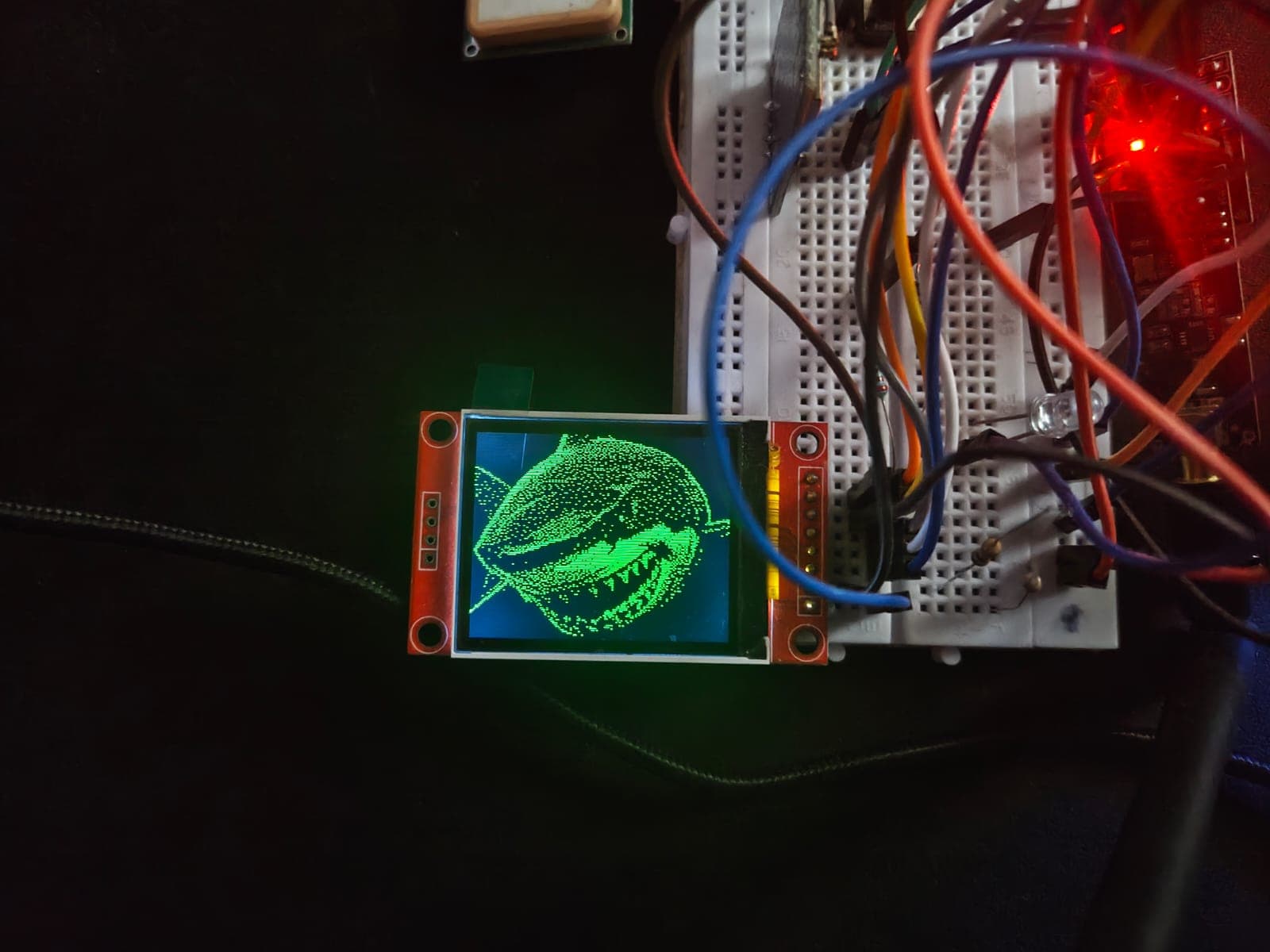
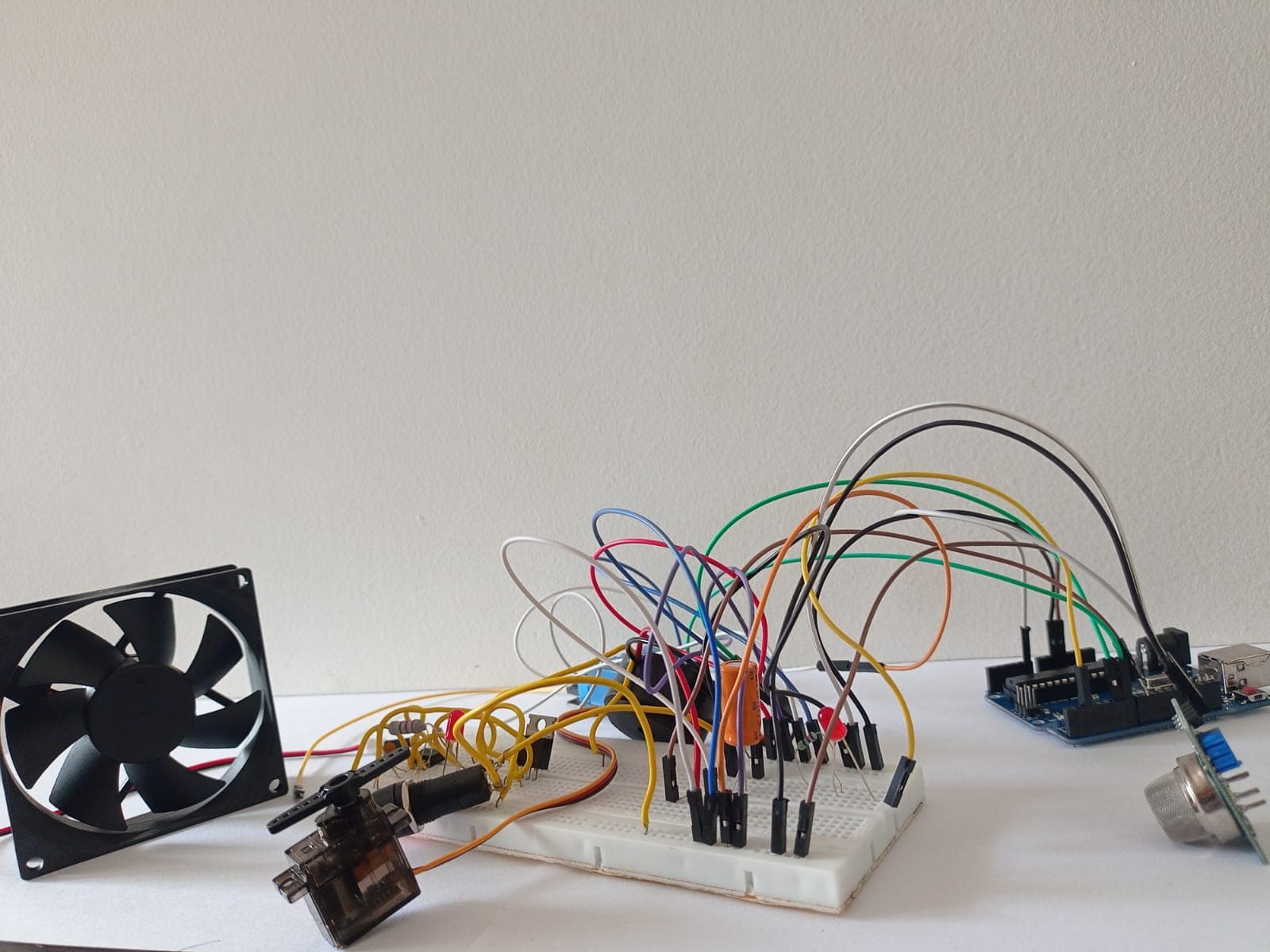
- Resource Constraints: In embedded systems (like the Arduino projects I've built), memory is measured in kilobytes, not gigabytes. This forces a discipline of efficiency that translates beautifully to web development.
- Debugging Resilience: When a software bug is actually a hardware race condition or a voltage drop issue, pure software debugging will lead you in circles.
A Practical Example: The 555 Timer
Consider the humble 555 Timer IC. In software, creating a delay or a clock pulse is a single line of code (setTimeout). In hardware, you achieve this using resistors, capacitors, and the 555 chip.
// Software approach (Arduino)
void loop() {
  digitalWrite(PIN, HIGH);
  delay(500);
  digitalWrite(PIN, LOW);
  delay(500);
}
Building this in hardware teaches you about RC time constants and analog variability. When you later write code to interface with physical sensors (like the MQ-6 gas sensor I used in a recent project), you inherently understand the need for debouncing, analog-to-digital conversion limitations, and signal noise.
The Future is Integrated
As we move toward IoT, edge computing, and specialized AI accelerators, the line between software and hardware continues to blur. The engineers who can traverse this boundary seamlessly will be the ones who build the next generation of resilient, efficient, and innovative systems.
Whether you're writing a web application in Next.js or wiring up a breadboard, the fundamental goal is the same: bending electrons to solve human problems.